Boat Dock Repair on Lake Norman, Mooresville NC
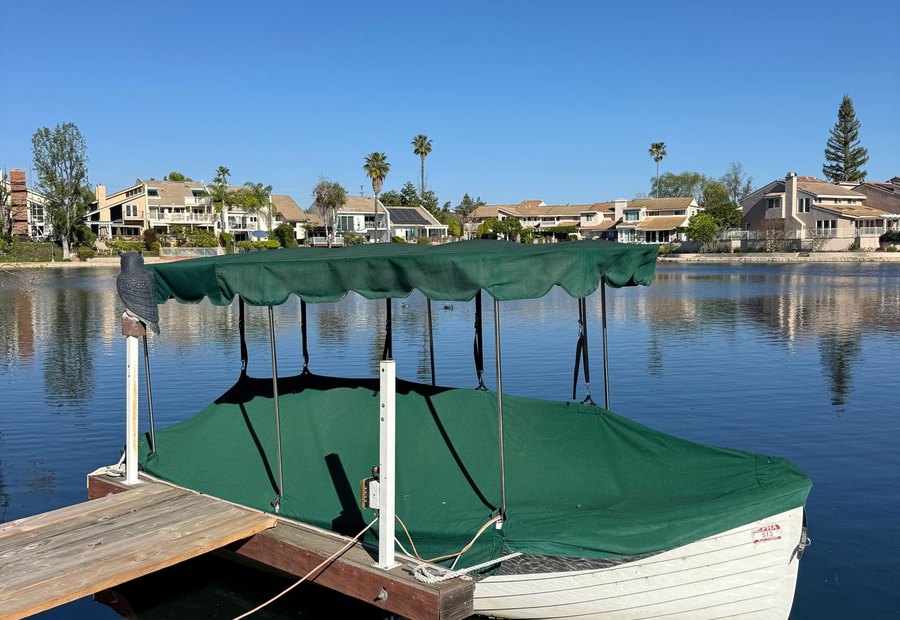
A dock on Lake Norman works hard for its keep. This is the largest man-made lake in North Carolina, a Charlotte-metro playground with heavy recreational traffic, and the wakes roll into every cove from spring through fall. That constant motion loads the floats, the guide poles, the decking, and every weld. Boat dock repair is the work of finding what has loosened, cracked, or soaked through, and fixing it before one small failure turns into an expensive one.
Lake Norman Dock & Lift repairs docks across the Mooresville shoreline and the wider lake: float replacement, piling and guide-pole resets, decking, frame welds, hardware, bumpers, ladders, lift service, and storm damage. We work from the water so your dock stays put, and we quote every repair against the cost of a rebuild so you are never paying to patch something that should be replaced.
Floats That Have Taken On Water
A low corner, a dock that lists, or a walkway that flexes underfoot almost always means a waterlogged float. Many older docks on this lake still ride on bare polystyrene billets that crack, absorb water, and slowly sink. Encapsulated flotation, foam sealed inside a polyethylene shell, is the standard now, so a failed bare-foam float gets replaced rather than patched. We swap the dead floats, check the ones beside them, and bring the deck back to level before the list strains the frame.
Pilings and Guide Poles in a Soft Bottom
Lake Norman sits over Piedmont red clay and soft sediment, not the hard rock of deep-water lakes out west. That soft bottom is a gift: pilings and steel guide poles can be driven and set into it, so most docks here are held in place by poles or pilings rather than long cables strung to the bank. A pole that has shifted, a bent pipe guide, a worn roller, or a collar that has rusted lets the dock wander and bang in the wake. We reset and replace pilings and guide poles, swap corroded hardware for hot-dip galvanized or stainless, and set the dock so it rides the managed lake level quietly.
Decking, Hardware, and the Parts You Touch
Deck boards cup, gray, and pull their fasteners after years of Carolina sun and wet feet. Bumpers flatten, ladders bend, cleats work loose, and canopy frames corrode at the joints. These are the repairs that make a dock feel safe again, and most are same-visit work. We replace failed boards with material that matches your dock, upgrade fasteners to coated or stainless, and swap the tired hardware that turns a nice dock into a worn one.
Welds, Frames, and Storm Damage
Steel-frame docks crack at the welds where the lake flexes them hardest, at gangway hinges and well corners. A summer storm line or a careless pontoon can bend a whole section. We re-weld cracked joints, straighten or replace bent members, and rebuild storm-damaged sections. Where a frame is rusting through in several places at once, we tell you straight, because there is a point where repair money is better spent on a rebuild.
What It Costs
Most single-system repairs run $1,200 to $1,800: a float or two, a guide pole reset, a run of decking, a weld. Larger storm jobs and multi-float swaps are quoted per dock. Every estimate is free and written down before any work starts, and it tells you plainly whether a repair or a section rebuild is the honest call.
Have a dock that is listing, drifting, or simply worn out? Call (704) 555-0138 and describe what you are seeing. We will tell you what it takes to set it right.
How much does boat dock repair cost on Lake Norman?
A single-system repair usually lands between $1,200 and $1,800. That covers the calls we see most: a float or two that soaked through, a guide pole reset in the clay bottom, a run of decking, a cracked weld, or a lift cable. When a repair list grows past three or four systems at once, a section rebuild often costs less than chasing each failure, and the written estimate says so plainly rather than billing the long way around.
Can you repair a dock in the water, or does it have to be pulled?
Most of the work happens in the water from a barge or from the dock itself: floats, decking, hardware, bumpers, ladders, guide poles, and lift parts. A pull is only needed when a steel frame needs heavy re-welding or the dock is being moved. Lake Norman docks are large and often covered, so we stage heavy work rather than dragging the whole structure out unless the job truly requires it.
Do I need a Duke Energy permit to repair my dock?
Like-for-like repair of an existing permitted pier generally does not need a new Duke Energy Lake Use Permit. Changing the footprint, adding a covered slip, extending the pier, or reconfiguring the dock does. Duke Energy manages this shoreline under its federal license, so we confirm your pier's permit status before quoting anything that changes its size or layout.
One corner of my dock is sitting low. What is wrong?
A float under that corner has taken on water. On Lake Norman that is usually an older bare-foam billet that cracked and soaked through. We replace failed floats with sealed encapsulated units and bring the dock back to level. A low corner is not cosmetic. It drags hardware underwater, stresses the frame, and pulls the whole dock out of trim against the guide poles.
How fast can you get to a repair?
It depends on the season. Spring and early summer are the busy window on Lake Norman and lead times stretch. A sinking float or a dock that has torn loose from a pole gets moved ahead of cosmetic work, because a loose dock damages itself and its neighbors every hour it drifts. Call and describe what you are seeing and we will tell you honestly where you land.