Lake Norman Dock & Lift: Boat Dock Repair, Rebuild and Float Work on Lake Norman, NC
Lake Norman Dock & Lift is a dock builder serving Lake Norman, North Carolina, from Mooresville out across the south-end coves and up the Catawba County shore. We repair and rebuild floating docks: float replacement, piling and guide-pole resets, decking and re-decking, boat and PWC lift installs, seawall and shoreline stabilization, frame welds, and storm damage. We build to the standards Duke Energy holds this shoreline to.
This lake sits over soft red clay, so pilings and steel guide poles can be driven into the bottom to hold your dock, and the clay banks behind it erode under wake. That anchoring, and the encapsulated flotation under your deck, are the two systems a dock lives or dies on, and they are what we work on most. Every dock gets a written estimate before anything starts, and we tell you plainly when a repair beats a rebuild, or the other way around.
Call for a Free Estimate- Licensed and insured in North Carolina
- Locally owned, not a franchise
- Built to Duke Energy permit standards
- Encapsulated flotation and galvanized hardware
- Serving the whole Lake Norman shoreline
Boat Dock Repair
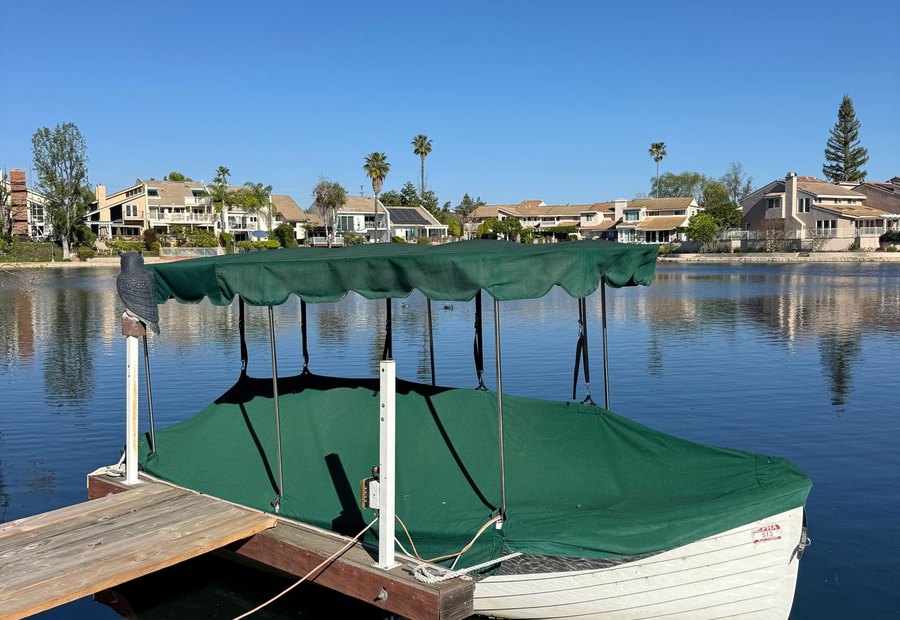
A dock on Lake Norman earns its keep the hard way. Heavy summer traffic rolls wake into every south-end cove, and that constant motion works the floats, the guide poles, and every weld. When a corner sits low, a walkway flexes, or the dock bangs against its poles, something has loosened, cracked, or soaked through. We find it and fix it before one failure becomes five.
We repair floating docks in the water: float swaps, pole and piling resets, decking, hardware, ladders, bumpers, and storm damage. Most single-system repairs run $1,200 to $1,800, and we quote a repair against the cost of a rebuild so you never pay to patch what should be replaced.
Dock Rebuild and Replacement
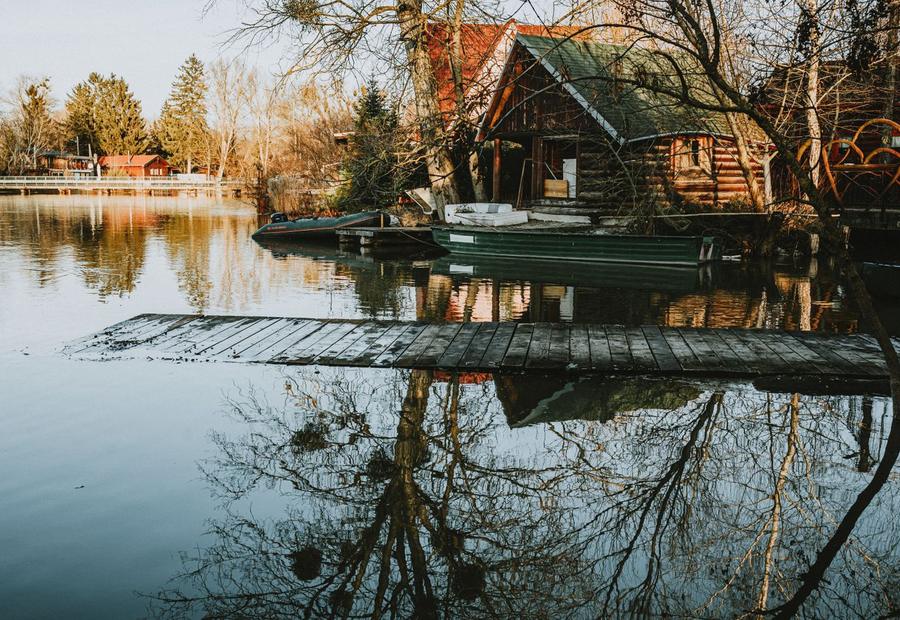
There is a point where a dock stops being worth repairing: the frame is rusting in too many places, the flotation fails faster than it can be swapped, and the layout no longer fits your boats. That is when a rebuild or a full replacement is the honest money.
We build new floating docks sized to your shoreline and the Duke Energy permit, with covered slips, lifts, PWC lifts, and upper sun decks. Where the frame is still sound, a rebuild renews the flotation, decking, and anchoring at a real saving over full replacement. The estimate shows both paths side by side.
Piling and Guide-Pole Repair
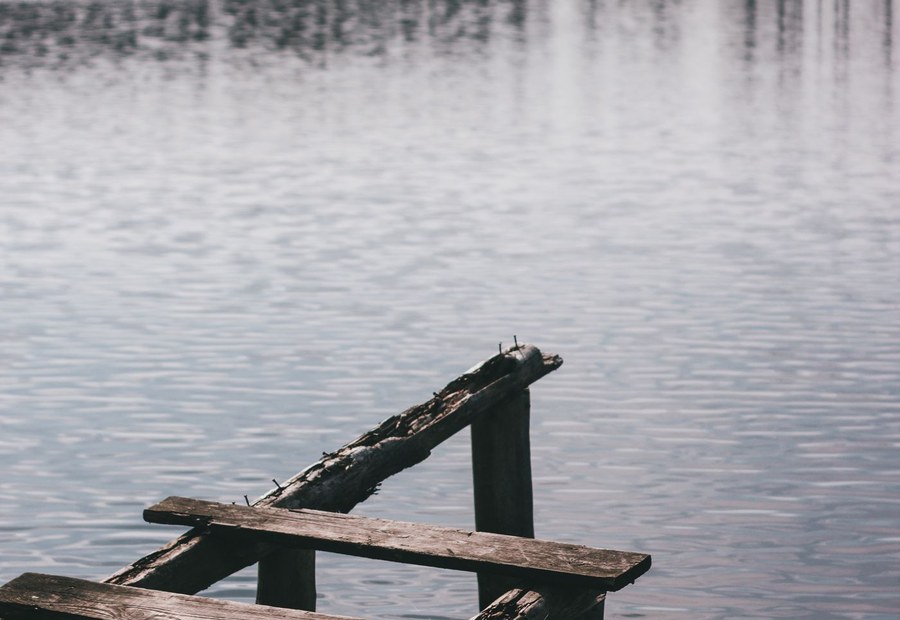
Most docks on Lake Norman are held by steel pilings and guide poles driven into the bottom, not by cables strung to the bank. The lake sits over soft Piedmont clay, so a pole can be driven into it and hold. Those poles and pilings are the single most common repair we make. A pole that has lost its set, a bent pipe guide, or a collar corroded at the waterline lets the dock wander and bang in the wake.
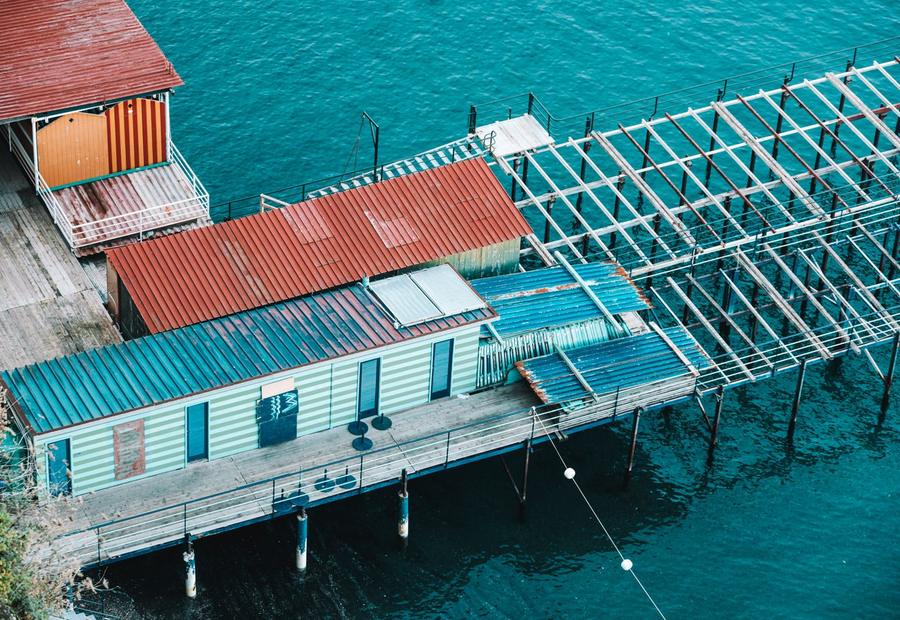
We reset and rebuild dock anchoring: driven pilings, guide poles, roller collars, galvanized and stainless hardware, and the rigging that rides the managed lake level. A properly anchored dock sits quiet through wind and wake instead of drifting and banging.
Boat Lift Install and Repair
A boat left in the water grows algae, soaks up the lake, and takes a beating from every wake in the well. A lift carries the hull clear between uses. On a Charlotte-metro lake where the boats keep getting heavier, a correctly sized lift is one of the best things on a dock.
We install and repair cable, hydraulic, and PWC lifts: cables, motors, pulleys, bunks, and guides. We size a lift to the boat's fully loaded weight, not the brochure number, because an under-sized lift is the most common reason a lift fails early here.
Seawall and Shoreline Repair
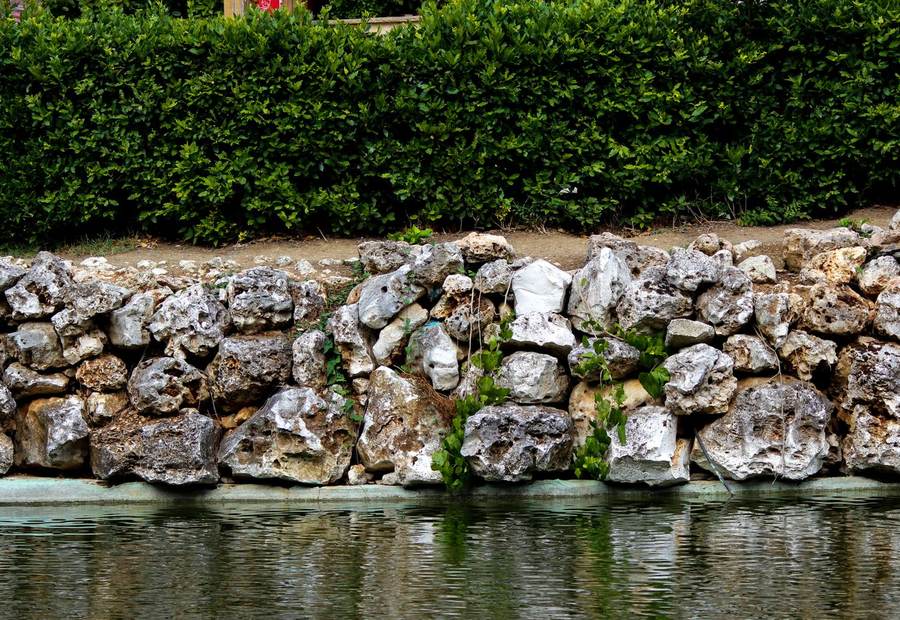
A dock can be perfect while the bank behind it slides into the lake. Lake Norman's shoreline is soft red clay, and all-day wake traffic and runoff undercut unprotected banks until the ground above slumps. Stopping the undercutting at the waterline is what actually holds the slope.
We build and repair riprap, bulkheads, and shoreline stabilization, built to the footprint Duke Energy permits. A wall that lasts has proper drainage behind it and a toe keyed into stable ground, and that is how we build them.
Decking, Re-Decking and Float Replacement
The deck is the part you live on, and it takes the most sun and wet feet. When boards cup, gray, and throw splinters, a re-deck in composite, aluminum, or wood transforms the dock for a fraction of a rebuild.
Under the deck, the flotation is what the whole dock rides on. A low corner almost always means a float that has soaked through. We replace failed floats with sealed, encapsulated units and bring the dock back to level before a soaked billet drags the frame down.
Why Lake Norman Owners Choose Us
- We anchor to a soft clay bottom the right way. This lake holds its docks on driven pilings and guide poles, not rock cables. We set anchoring matched to your bank so the dock rides the managed lake level and stays put through wind and wake.
- Encapsulated flotation and coated hardware. We replace old bare-foam billets with sealed encapsulated floats that keep foam out of the lake, and we use galvanized or stainless hardware that survives the water instead of rusting out in two seasons.
- We size docks to the Duke Energy permit. Dock size here is set by Duke Energy's Shoreline Management Plan, not by what fits the cove. We pull your shoreline classification and permit picture before drawing anything, so what we quote can actually be approved.
- Repair or rebuild, we tell you straight. When a frame is sound we renew what wears and save the steel. When it is rusting through, we say so. Every estimate shows the honest path, not the long way around.
- Written estimates, local crew. You get a written estimate before work starts, and the people who quote the job are the people who build it. We are on this lake every week.
Built for a Duke Energy Lake
Lake Norman is the largest man-made lake in North Carolina, and it is not a public one. Duke Energy created it by closing Cowans Ford Dam on the Catawba River, filling to full pond, about 760 feet, in 1964. Duke Energy manages the shoreline and the docks on it under its federal license for the Catawba-Wateree hydro project. That single fact shapes every dock on the water: a dock here is a permit question as much as a construction question, and the permit comes from Duke Energy Lake Services, not a county desk or the Corps.
The lake also sits over Piedmont red clay and soft sediment rather than hard rock. That soft bottom is why the water runs brown after a storm, and it is why docks here are held by pilings and guide poles driven into the bottom instead of cables anchored to bedrock. The same clay erodes along the banks, so shoreline slumping and the riprap that stops it are constant work on this lake. Understanding the bottom, the managed lake level, and the Duke Energy permit is the difference between a dock that lasts and one that drifts or gets ordered back out.
Summer traffic is the other force. This is one of the busiest recreational lakes in the Southeast, ringed by large Charlotte-metro homes with covered docks and multiple lifts, and the wake rolls into coves from morning to night all season. A dock here is loaded far harder than a dock on a quiet lake, which is why we over-build anchoring, use reserve flotation, and fasten everything with hardware rated for the water.
How a Dock Job Goes
On-Site Look
We come to the water, check the floats, frame, poles, pilings, and lift, and look at your shoreline and permit status. You get a written estimate with scope and price before anything else.
Permit Check
For anything that changes the footprint, we confirm what Duke Energy allows on your shoreline and handle the Lake Use Permit application, so the plan is one that can be approved.
Build or Repair
We work from a barge or the dock itself. Floats, poles, pilings, decking, and hardware are done in the water; heavier frame work is staged so your dock stays where it is.
Level and Set
We bring the dock back to level on its flotation and set the poles and collars so it tracks the managed lake level quietly through wake and a rising lake.
Walk It With You
We walk the finished dock with you, show you what was done, and leave you a dock that sits where it belongs and is safe to use.
Boat Dock Costs on Lake Norman
These are real working ranges for this lake, not invented numbers. Your actual cost depends on the dock, the bank, the anchoring the site needs, and the permit footprint. Every job gets a free written estimate before work starts.
| Work | Typical Range | Notes |
|---|---|---|
| Focused repair (float, pole, decking, weld) | $1,200 - $1,800 | Single-system calls |
| Guide-pole or piling reset | $1,200 - $3,000 | More for driving new pilings |
| Float replacement (per dock) | $2,000 - $6,000 | Depends on number of failed floats |
| Re-decking | $3,000 - $9,000 | Composite, aluminum, or wood; by size |
| Boat lift (supply + install) | $4,000 - $12,000 | By capacity and lift type |
| New dock / full rebuild | $12,000 - $40,000+ | By slips, lifts, decks, and permit footprint |
What moves the price:
- The anchoring: driving new pilings costs more than resetting existing poles
- Slips and lifts: each covered slip and each lift adds frame, flotation, and cost
- Flotation spec: encapsulated floats cost more than old bare foam and last far longer
- Permit footprint: Duke Energy's rules cap how large a dock can be approved
- Access: a dock far from a ramp or staging point adds barge time
Frequently Asked Questions
How much does boat dock repair cost on Lake Norman?
A focused, single-system repair runs roughly $1,200 to $1,800: a failed float or two, a guide-pole reset, a run of decking, or a weld. Larger storm jobs and multi-float swaps are quoted per dock. Once a repair list crosses several systems at once, a section rebuild often costs less, and we say so on the estimate.
Who issues dock permits on Lake Norman?
Duke Energy, not a county office or the Corps of Engineers. Duke built and manages Lake Norman under its federal license, and private docks, lifts, and shoreline work are permitted through Duke Energy Lake Services under its Shoreline Management Plan. New docks, footprint changes, and shoreline work need a Lake Use Permit; like-for-like repair of a permitted dock usually does not.
Why does my dock use pilings and poles instead of cables?
Because the bottom is soft. Lake Norman sits over Piedmont red clay and sediment, so a steel piling or guide pole can be driven into it and hold. Deep-rock lakes elsewhere have to float docks on cables to the bank; here the soft bottom lets us anchor on poles and pilings, which ride the managed lake level cleanly.
Why is one corner of my dock sitting low?
A float under that corner has taken on water, usually an old bare-foam billet that has cracked and soaked through. We replace failed floats with sealed encapsulated units and bring the dock back to level. A low corner is not cosmetic: it drags hardware underwater and strains the frame from the waterline up.
Can you repair my dock in the water?
Most of it, yes. Floats, decking, hardware, bumpers, ladders, guide poles, and even new pilings are worked from a barge or the dock itself. A pull is only needed for heavy frame re-welding or relocating the dock. Lake Norman docks are large and often covered, so we stage heavy work rather than dragging the whole structure out.
My dock moved or is banging after a storm. Repair or rebuild?
Usually a repair. A dock that shifted has almost always lost a guide pole's set, dragged a piling, or worn a collar. We check every pole, collar, and anchor point, reset what moved, and set the dock so it tracks the lake level quietly through the next blow. We check the frame for damage the movement caused, too.
What size boat lift do I need?
Match the lift to the boat's fully loaded weight: hull, engine, full fuel, gear, and people. That number is usually well above the dry weight, and an under-sized lift is the most common cause of early failure here. We weigh the real load, add margin, and size the lift and cables to it.
What decking lasts longest on a dock?
Composite and aluminum both outlast wood on the water. Composite gives a solid, wood-look surface that never needs staining; aluminum runs cooler underfoot in the Carolina sun and weighs the least, which matters on flotation. Pressure-treated wood costs least up front but needs maintenance and splinters as it ages. We price all three for your dock.
Are bare foam floats still the standard?
No. Encapsulated flotation, foam sealed inside a polyethylene shell so it cannot break up into the lake, is the standard now. When we replace floats we install encapsulated units, which is both the sensible choice and the right thing to do on a Duke Energy lake, rather than leaving bare foam to shed into the water.
Can you stop my clay bank from eroding behind the dock?
Yes. Wake and runoff undercut unprotected red-clay banks here until the slope slumps. We build riprap and bulkheads with the drainage and keyed-in toe that actually hold a bank, permitted through Duke Energy. We fix why the bank failed, not just the symptom.
Should I get a dock inspected before buying lake property?
Yes. A dock is a big share of a Lake Norman waterfront's value and most home inspectors do not climb under a floating dock. We inspect docks for buyers and sellers and give you a written report on the flotation, poles, pilings, frame, lift, and whether the footprint matches the Duke Energy permit.
How fast can you get to my dock?
It depends on the season. Spring and early summer are the busy window and lead times stretch. A sinking float or a dock that has torn loose gets triaged ahead of cosmetic work, because a loose dock damages itself and its neighbors every hour it drifts. Call and describe it and we will tell you honestly where you land.
Serving Lake Norman
We repair and rebuild docks across the whole lake, from the south-end water off Cornelius and Huntersville up the Catawba County shore. Every cove has its own bank, its own wake, and its own anchoring problem. We know the water.
Ready to Get Your Dock Handled?
Call (704) 555-0138 for a free estimate. Tell us what you are seeing: a corner sitting low, a dock that is banging on its poles, a lift that stopped, a bank washing out, or a dock you want built from scratch. You will get a straight answer on cost, on the Duke Energy permit side, and on whether a repair or a rebuild is the honest call for your water.